

How Microsoft could make Windows 10 Pro the OS for PC enthusiasts - nancewhince00
With the rumors of Windows 10 Home base Ultra quashed, thither's still No version of Windows specifically designed for the Microcomputer enthusiast. The introduction of Windows Sandbox suggests there finally could be: Windows 10 Pro.
Windows 10 Pro has historically filled a gap between Windows 10 Enterprise and Windows 10 Home, merely IT's offered features prized far more by IT admins than home users. Among the precise a couple of reasons wherefore an independent PC user would want to buy Windows 10 Pro, chief among them is its tractability in accommodating Windows 10 feature film and security updates. But BitLocker? Remote Desktop Connection? Even enthusiasts rarely take advantage of these.
We recollect Microsoft is leaving money on the table. The company could plausibly convince enthusiasts to pay the $199 it charges for a standalone copy of Windows 10 Pro, or the $99 upgrade fee from Windows 10 House, if the OS had more features these pro-level users craved. And the initiative killer app may have finally appeared: Windows Sandpile, a virtual Windows-within-Windows that's quietly receiving hard reviews.
As our Windows Sandbox tutorial demonstrates, Sandbox allows you to chip out a chunk of your PC's OS surround for testing apps and websites, without some concerns about malware. Critically, some Sandbox and the WDAG browser within Windows 10 hinge on virtualization, a technology available only in Windows 10 Pro, not Nursing home.
If Sandbox makes enthusiasts think seriously about Windows 10 Pro, what if Microsoft began contributing other virtualization-dependent technologies IT already has? Here's what we'd add: App-V app streaming, UE-V's replication of your PC preferences onto a new machine, VPN-like services, and to a greater extent.
We'll explicate what these extra features are and how they could be applied to Windows 10 Pro. These English hawthorn exist hypothetical additions, but they'ray also opportunities to beef up Windows 10 Pro—as well as Microsoft's bottom furrow.
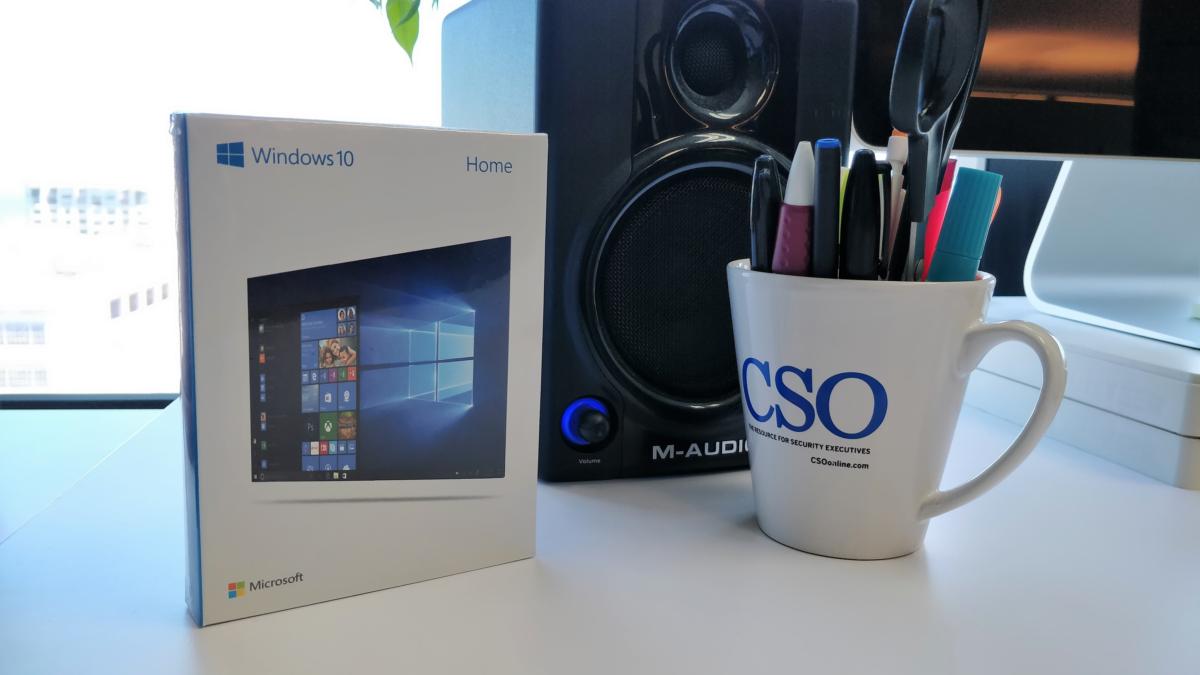 Mark Hachman / IDG
 Unless you take advantage of the Pro-specialized features, Windows 10 Home is often the amend choice between the 2 editions.
Windows Sandbox: Almost worth the climb alone
Windows Sandbox offers the most compelling debate for enthusiasts to buy Windows 10 Pro. As we show in our Windows Sandbox tutorial, this have creates a fast-and-dirty Windows background that lives within an app window on your screen. Inside it is a separate, pristine copy of Windows, completely isolated from the rest of your Personal computer, in which you can do some you'd ilk: examine potential malware, visit a risky internet site, and so on.
If you end abreast some situation that begins ruinous browser notifications, or floods your screen with pop-sprouted ads, don't worry: Encompassing the applications programme, and everything vanishes. That makes it super easy to avoid simple hacking attempts and alto-level scammers, as I've seen extraordinary readers do in comments attached to our YouTube videos.
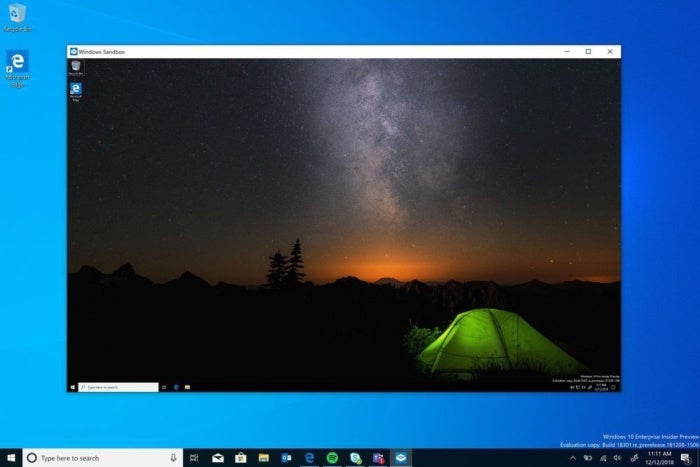 Microsoft
 Windows Sandbox puts other copy of Windows on your screen background, within an apps windowpane.
Both Sandbox and its predecessor, the Windows Twist Application Guard (WDAG), are collective upon virtualization. In WDAG's case, a rendering of Edge is sandboxed away from the main in operation system. With Sandbox, an entire OS is stormproof inside a virtual environment.
Virtualization opens a door for enthusiasts
Wherefore give up at Sandbox? Windows 10 Pro could attract even more enthusiasts if Microsoft let it take in other virtualization-based features already launched in the Education and Enterprise editions. We'll go across some of the best and virtually intriguing candidates, starting with something titled User Experience Virtualization, surgery UE-V.
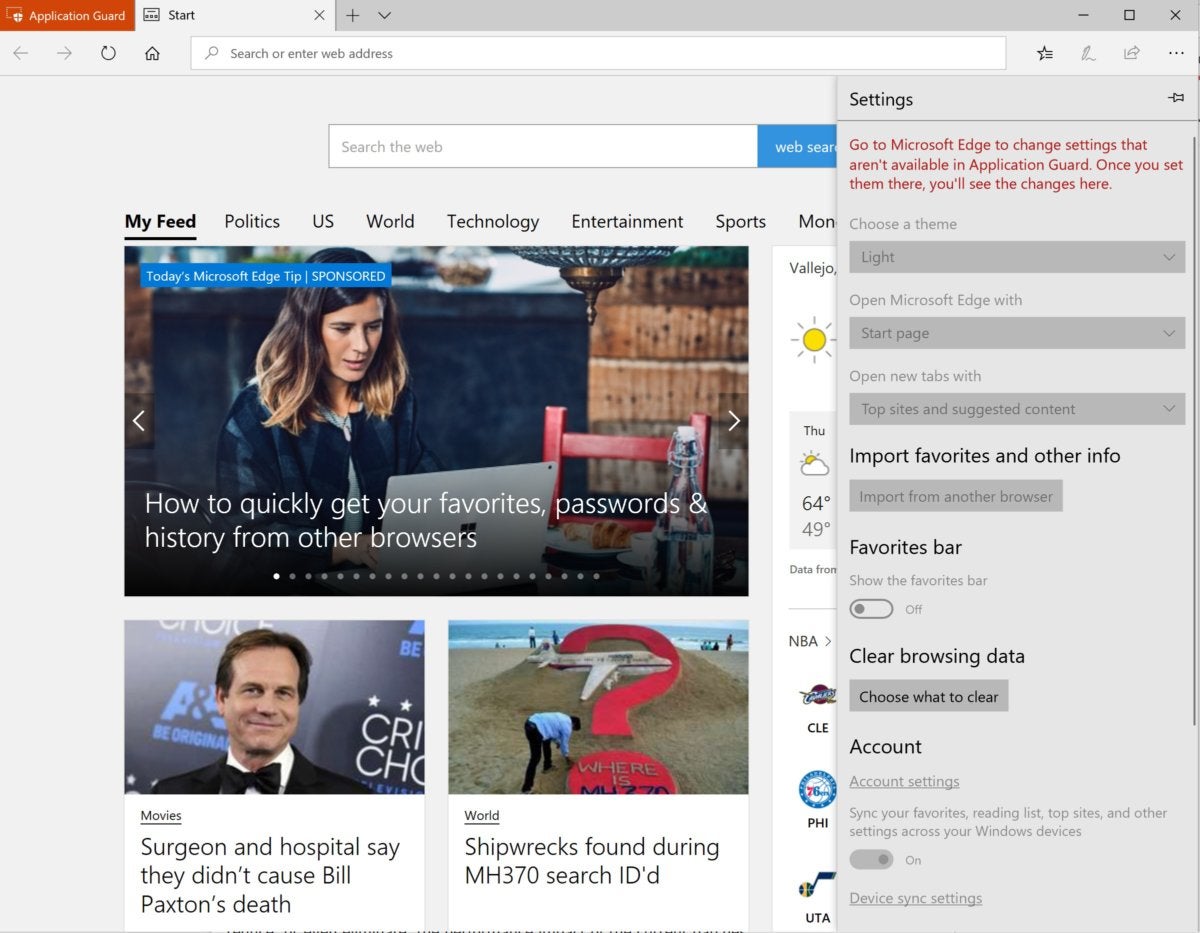 Mark Hachman / IDG
 Honestly, WDAG was probably rightly passed over, because it didn't offer anything that Sandbox didn't meliorate upon.
UE-V could go "Windows Quick Start"
Windows 10 Go-ahead includes what's known as User Experience Virtualization, or UE-V. Essentially, UE-V takes all of a user's preferences and migrates them from one PC to another, and so that you can put up a newborn twist almost exactly the way in which your others are designed.
You whitethorn have noticed that both the Windows 10 In favou and Home base editions of Windows DO some of this already, as any Themes you may have run on your last PC seem to synchronise aweigh, and increasingly Edge data (favorites, passwords, and the corresponding) reside in the cloud. Windows users also have the selection to "plectron up where you left off" from another Personal computer via Timeline, or imitate data from nonpareil PC to another victimisation the cloud version of Clipboard. No of these examples purpose virtualization to achieve its goals. What it does show, however, is that Microsoft is moving to a unified know crossways entirely of your PCs, and UE-V could be an improved version of that.
Cypher really likes the "Hi, I'm Cortana!" OOBE setup process within Windows. A one-step configuration process—victimisation your Microsoft account to automatically configure a new PC with all of your preferences, while downloading your preferred apps in the background—seems comparable a future that we're soul-stirring to. Of course, it would need several catchy branding: may we hint Windows Quick Start?
Device Guard could get on "Secure USB"
Nowadays, Windows 10 Go-ahead technologies equivalent Twist Guard and Credential Guard help protect the operating system from untrusted code by loading the Hyper-V hypervisor, though the focus is more on securing iron heel sequence and running trustworthy apps than anything other.
 Getty Images
 The peril of an unknown USB drive could be reduced significantly if Microsoft were to allow you to examine its table of contents within a Sandbox-like hypervisor.
If Sandpile presents a assure practical space for downloading and testing files, it makes a great deal of sense that so much protections could besides be applied when a exploiter inserts an unknown and untrusted USB stick or external Winchester drive into their PC. If you incu a USB gravel fabrication on the ground in the park, you probably knownever to insert it Oregon any opposite untrusted memory device into your PC, because of the chance that it could automatically install and run malware.
With a Sandbox-like essential environment for Windows 10's Charge Explorer, however, you could breathe a bit easier. At the very least, you could check that your coworker hadn't mislaid their stick with their favorite photos stored exclusive without potentially beingness hacked in the march. And because Sandbox allows files to be cut, traced, and pasted in and out of the virtual environment, you'd personify able to interact with the files stored on the key, just comparable modal.
App-V could become "Windows Streamed Apps"
One of the ways in which virtualization protects your machine is though isolating code. On paper, no Trojan Oregon other malware bathroom break out of the virtualized sandpile of WDAG or Sandbox and infect your machine. But what happens if that code didn't actually run on your PC in any mental ability whatsoever? Lotion virtualization (App-V), a technology found within the Enterprise editions of Windows 10, might be the next pace.
 Adobe
Adobe Streaming an app like PhotoShop operating theater First Elements could eventually be a reality.
Instead of storing the diligence on your PC, App-V streams the app from the cloud, winning advantage of Azure's inherent performanceand security advantages. Just like Adobe Photoshop can be streamed to Chromebooks, streaming apps opens the door for more powerful software to be keep going devices that aren't graphics workstations. As consumers, we've figured out that a file doesn't need to be stored topically connected our Microcomputer—that's the way the new OneDrive placeholder files work, for example.
If we use Microsoft's App-V hardware requirements as a model, implementing streamed apps within Windows 10 power be a case where Microsoft technicallywouldn't need a Windows 10 Pro simple machine. Information technology's certainly possible that Microsoft power consider this to be a value-added feature, suitable for Windows 10 Affirmative. Otherwise, since Microsoft has ready-made IT a very in the public eye goal to push Windows to a billion devices, App-V could be an incentive for extremity artists to consider a cheaper, secondary device equivalent an ultrabook that could lam apps from the cloud.
Other directions for Windows 10 Pro: VPN, gaming
Virtualization technologies mightiness not make up the entirely way that Microsoft could improve Windows 10 In favor of. Other adroit Windows 10 Enterprise engineering science is DirectAccess, which creates a VPN-that's-non-a-VPN to allow secure memory access to internally stored data. Windows 10 Affirmative already allows remote users to connect to some other PC via Remote Desktop Connectedness, but it's possible that Microsoft could in one case again solicit its Azure haze over, and its worldwide presence, to offer VPN services.
 Getty Images
 There's nada saying that Microsoft would offer its have VPN. But would you use it if it did?
Microsoft could improve further in gaming, too. Though Microsoft's Game Relegate has evolved into becoming a sort of a Windows utility for game streaming and system monitoring, some gamers would probably prefer that Game Bar Be turned bump off entirely, while others might prefer a to a greater extent robust offer—the direction Microsoft seems to be going. It's also not too furthest-fetched to set out thinking of the DirectX 13 API, too.
Then there's whatever Microsoft chooses to do with its upcoming Jut out xCloud gritty streaming technology. PC gamers without doubt would like Microsoft to push more heavily toward improving the PC A a gaming platform, whether that entails an better game store or bu more cross-platform play between the Xbox and other game consoles.
 Microsoft
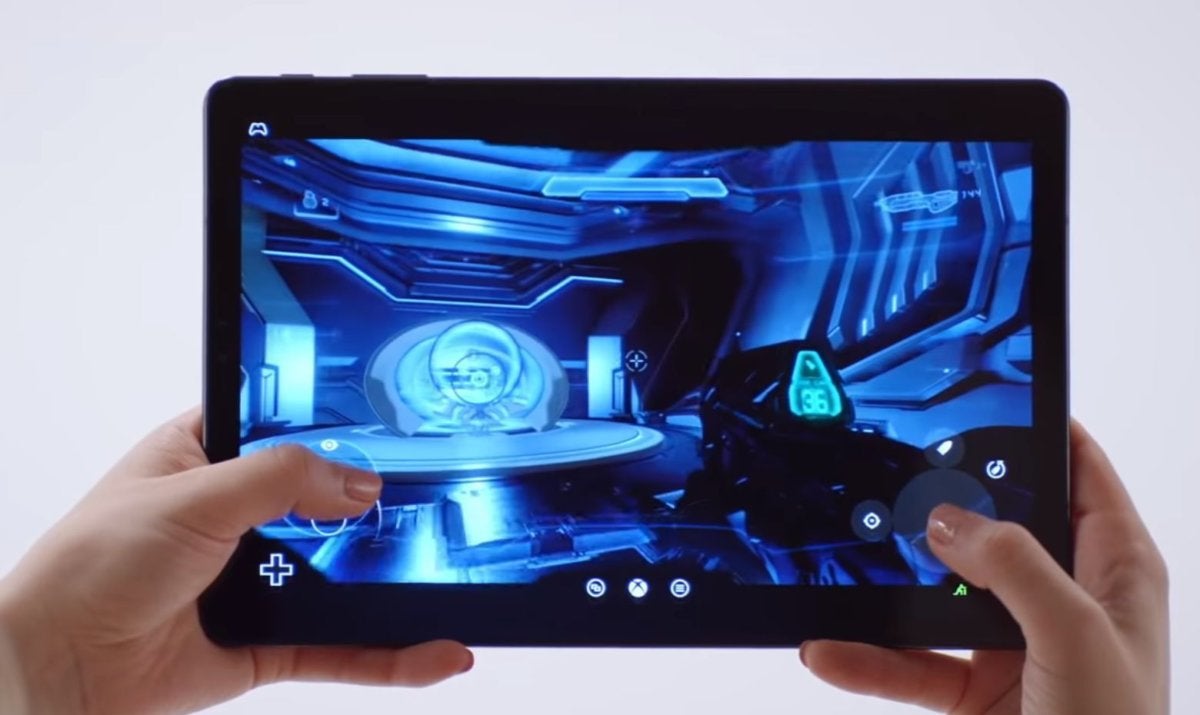
 More questions about Microsoft's xCloud game-flowing technology remain unanswered.
The advent of Task xCloud brings us to the enquiry of whether Microsoft would someways leverage its virtualization technologies for pun streaming.
Microsoft seems like information technology could run short in either of two directions: stream games instantly to PCs and phones, or else virtualize the Xbox operating system within Windows. The first approach would theoretically appropriate xCloud to be accessed by both Windows 10 Homeand Pro machines, while the latter approach would restrict xCloud to Pro PCs. It seems far-off more likely that Microsoft would somehow bring the virtualized xCloud technology to Windows 10 Rest home, rather than cut off Home users from gaming.
Microsoft isn't commenting, so we have to go forth that as an open question. It's notwithstandin clear that Sandbox is opening up new possibilities for Windows 10 In favou that could help with security, applications, game flowing and more. Cartel that with the potential for upselling Windows 10 Home users to the pricier Windows 10 Pro, and it seems ilk the stars have aligned for Microsoft to start out evolving Windows 10 Pro as an OS for PC enthusiasts.

Source: https://www.pcworld.com/article/397574/how-microsoft-could-make-windows-10-pro-the-os-for-pc-enthusiasts.html
Posted by: nancewhince00.blogspot.com
0 Response to "How Microsoft could make Windows 10 Pro the OS for PC enthusiasts - nancewhince00"
Post a Comment